







Search Results for: Natural Mandheling
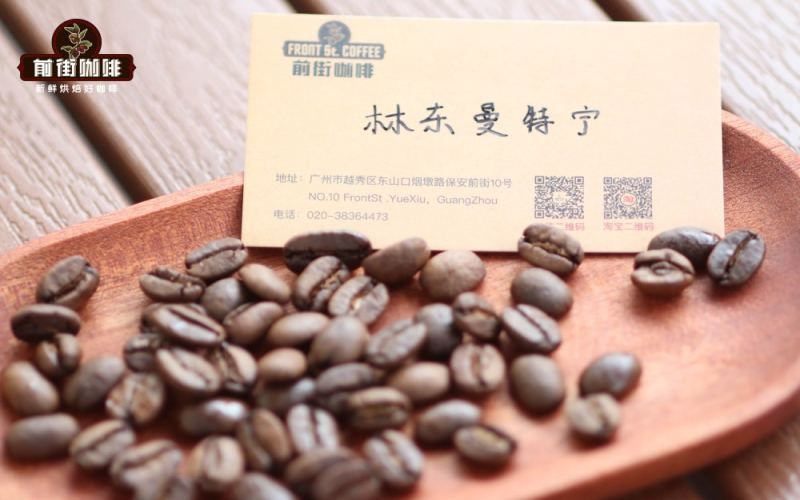
Indonesia Wahana Estate Sun-Dried Mandheling: A Full Analysis of Variety Characteristics, Processing Method, and Brewing Flavor
When Mantenin is mentioned, most people first think of the mellow herbal and dark chocolate notes brought about by the wet-hulled process. However, in Sumatra, Wahana Estate has reshaped the flavor profile of Mantenin through natural processing. This article will guide you through the growing conditions and varietal composition of Wahana Estate, walk you through the complete processing flow of natural Mantenin, and compare it with traditional wet-hulled Mantenin in terms of brewing parameters and taste performance. At the same time, Front Street Coffee will also share the importance of fresh roasting for coffee flavor, as well as practical tips for everyday brewing, to help you gain a more comprehensive understanding of this unconventional Mantenin. [more…]
Front Street Wahana Estate Natural Mandheling: Flavor Profile and Brewing Highlights of the Estate Natural Process
Mandheling is a representative variety of Asian coffee, and its unique flavor is inseparable from Indonesia's traditional wet-hulling method. This article focuses on Front Street Coffee's Wahana Estate sun-dried Mandheling, guiding you through the background of this specialty estate in North Sumatra, the distinctive flavor profile of this sun-dried bean, and brewing suggestions for a light roast. From the estate's planting scale to its processing methods, and on to specific brewing parameters, we present this sun-dried Mandheling that overturns traditional impressions in full. [more…]
A Complete Guide to Indonesian Sumatra Coffee Bean Varieties: Mandheling Region Flavors and the Origin of the Sumatra Tiger Packaging
Sumatra is not only the sole habitat of the Sumatran tiger, but also one of Indonesia's most iconic coffee-producing regions. Starting from the origin of the Sumatran tiger packaging, this article systematically reviews the distribution of Mandheling growing regions, the varietal composition, and the differences in processing methods, and provides a detailed explanation of five Front Street Coffee Mandheling selections—Lintong, Gold, Tiger, Aged, and Natural—including their respective flavor characteristics and brewing suggestions, helping coffee enthusiasts understand the traditional logic behind dark-roasted Mandheling, as well as the different expressions of natural-process Mandheling under medium-light roasting. [more…]
Analysis of the Flavor Profile and Brewing Parameters of Sumatra Wahana Estate Sun-Dried Mandheling
When people mention Mandheling, most first think of the full-bodied, herbal notes brought by the wet-hulled process, but Indonesia is not limited to just one processing method. Wahana Estate, located in the Lake Toba region of Sumatra, has successfully crafted a distinctly different sun-dried Mandheling through an improved natural process. This article will guide you through Wahana Estate's growing background, the evolution of its processing methods, as well as the cupping flavors of this bean and Front Street Coffee's recommended brewing recipe, so you can experience the unique charm of tropical fruit interwoven with fermented notes. [more…]
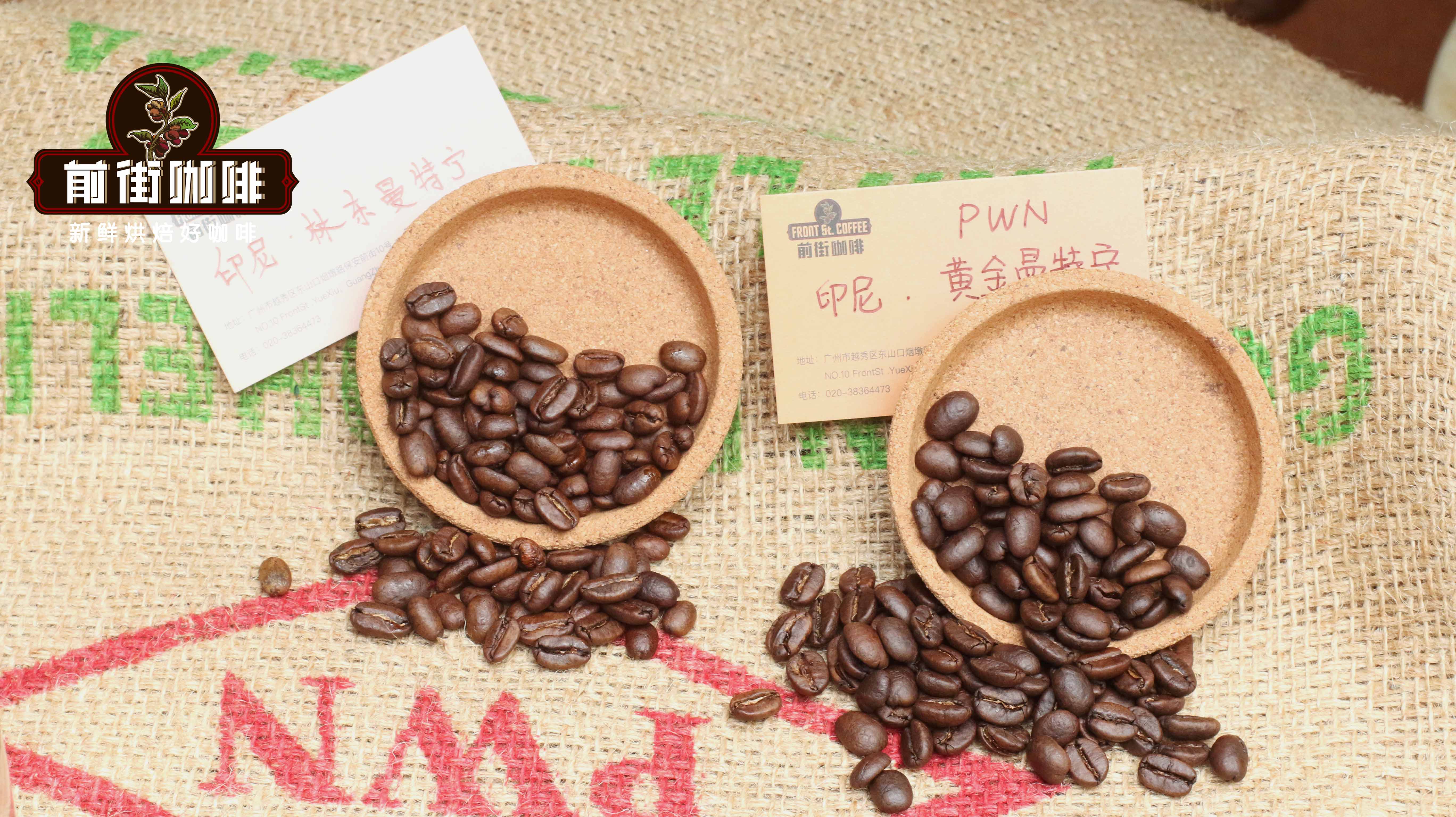
PWN Golden Mandheling vs. Lintong Mandheling Coffee Bean Varieties: Differences in Pour-Over Flavor and Mouthfeel
Mandheling is the representative coffee of Sumatra, Indonesia, renowned for its rich, herbal flavor. Front Street Coffee's year-round offerings, PWN Golden Mandheling and Lintong Mandheling, though both belonging to the Mandheling family, present distinct flavor profiles due to differences in origin, screening standards, and processing details. This article begins with the historical origins and naming of Mandheling, traces the development of Sumatran coffee, and focuses on comparing the varietal characteristics, processing methods, and cupping performance of PWN Golden Mandheling and Lintong Mandheling. It also introduces Front Street Tiger Mandheling, Aged Mandheling, and Wahana Estate Natural Mandheling. Additionally, it provides roasting approaches, brewing parameters, and flavor descriptions for the five beans, helping coffee enthusiasts understand how the wet-hulling process shapes Mandheling's classic taste, as well as the diverse possibilities of Mandheling in the specialty coffee wave. [more…]

A Complete Guide to Sumatra Coffee Bean Varieties: Flavors and Processing Methods from Lintong to Golden Mandheling
Sumatra, Indonesia is the birthplace of Mandheling coffee, and its unique wet-hulling process gives the coffee low acidity, full body, and herbal flavors. Front Street Coffee has long followed the Sumatra region. This article reviews the origin of the name Mandheling, the connection between PWN Company and Golden Mandheling, and focuses on comparing the flavor characteristics and roasting suggestions of five beans: Front Street Lintong Mandheling, Golden Mandheling, Tiger Mandheling, Aged Mandheling, and Wahana Estate Natural Mandheling. Whether you are a beginner just getting to know Mandheling or a coffee enthusiast wanting to understand the wet-hulling process in depth, you can gain a systematic understanding of the region and practical brewing references from it. [more…]
Sumatra Coffee Bean Flavor Analysis: Mandheling Varieties, Wet-Hulling Processing, and Roasting & Brewing Guide
Sumatra is one of Indonesia's most important coffee-producing regions, world-famous for Mandheling coffee. From the perspective of Front Street Coffee, this article systematically reviews the historical context of Sumatran coffee, the origin of the name Mandheling, and the connection between PWN and Golden Mandheling. The article focuses on the five Mandheling coffees on Front Street's bean list—Lintong, Golden, Tiger, Aged, and Wahana Estate Natural—analyzing each one's region, processing method, and flavor characteristics, while providing an in-depth explanation of the two-stage wet-hulling process and the special craft of aged wet-hulled coffee. In addition, it includes Front Street's roasting plans and brewing suggestions for these five beans, helping coffee enthusiasts fully understand the rich, full-bodied charm of Mandheling. [more…]
A Complete Guide to Indonesian Mandheling Coffee Beans: Comparing the Four Major Flavors of Lintong, Golden, Aged, and Tiger
Mandheling coffee is renowned for its herbal aroma and heavy body, standing out uniquely in the specialty coffee wave. From the perspective of Front Street Coffee, this article traces the historical development of Indonesian Sumatra coffee, analyzes the origin of the name Mandheling, and introduces one by one the origin background, processing methods, and flavor characteristics of five Front Street Mandheling coffee beans: Lintong, Gold, Tiger, Aged, and Wahana Estate Sun-Dried. It also covers the specific process of wet hulling, roasting suggestions, and brewing parameters for each bean, helping coffee enthusiasts gain a comprehensive understanding of the diverse facets of Mandheling. [more…]
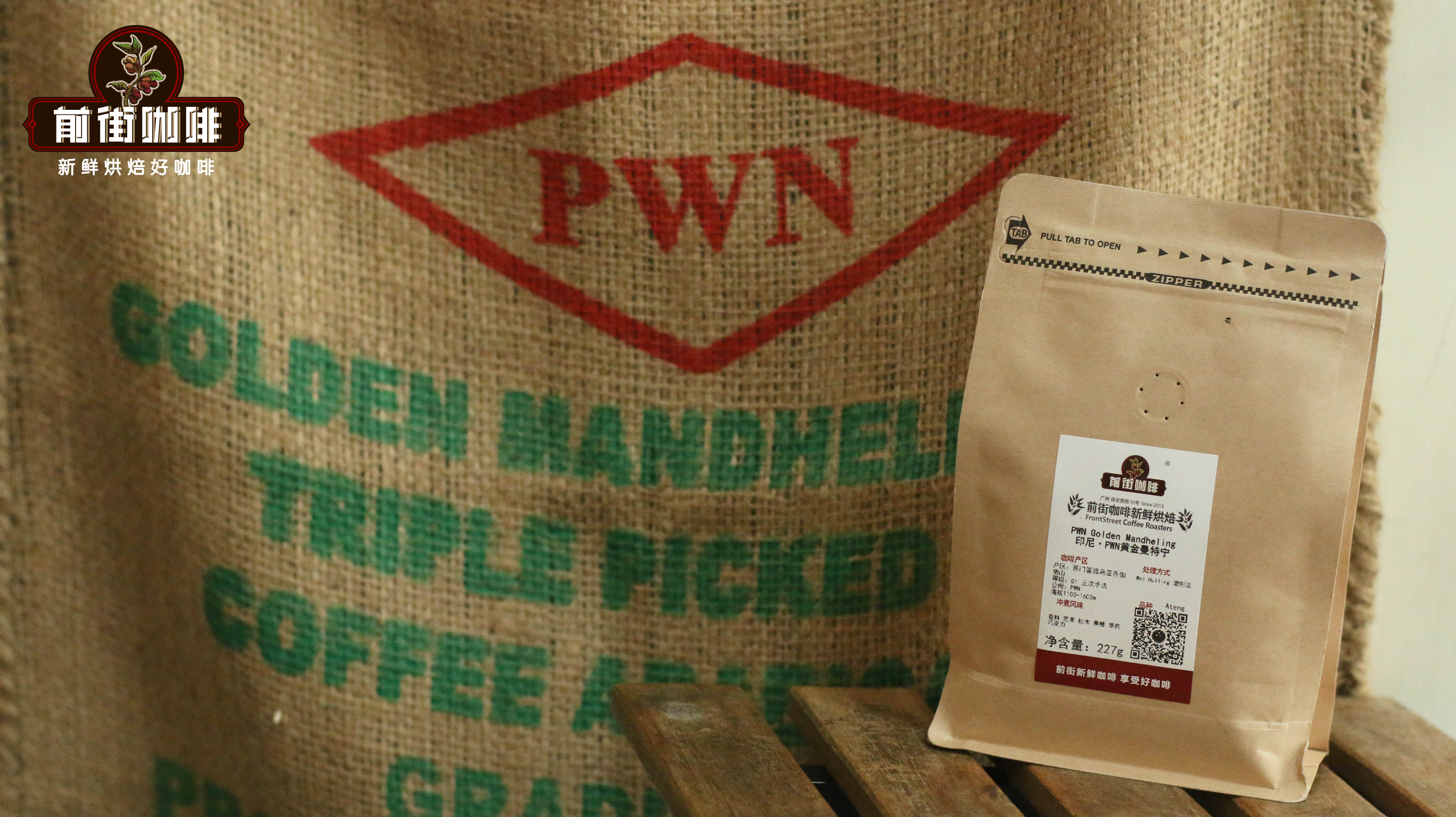
Indonesian Sumatra Mandheling Coffee Flavor Analysis: Wet-Hulled Processing and Front Street's Five Mandheling Pour-Over Reviews
Mandheling is the most recognizable coffee category from Sumatra, Indonesia, known for its low acidity, high body, and herbal spice flavors. This article starts with the history of the producing region, systematically sorting out the origin of the name Mandheling, the process principles of wet hulling, and the branching evolution of aged processing, and introduces one by one the five Mandheling coffees sold by Front Street Coffee—Lintong, PWN Gold, Tiger, Aged, and Wahana Natural—covering their respective producing regions, varieties, altitudes, and flavor descriptions. At the end of the article, Front Street's pour-over parameter suggestions for different roast levels and a complete flavor comparison are attached, helping coffee enthusiasts understand how wet hulling shapes Mandheling's full-bodied mouthfeel, and what new changes natural processing brings to this traditional category. [more…]
Exploring the Flavors of Sumatra Mandheling Coffee: From Wet-Hulling to Lintong, Golden, Tiger, and Aged Mandheling
Mandheling is known for its rich, full body and herbal, medicinal notes, but this Sumatra classic is not just one coffee. Among the Mandheling series sourced by Front Street Coffee, besides Golden Mandheling, there are also Lintong, Tiger, and Aged Mandheling, each representing a different flavor direction. This article begins with the history of Indonesian coffee, sorts out the origin of the name Mandheling, the process differences between wet-hulling and aged wet-hulling, and explains in detail the characteristics of Lintong, Golden, Tiger, Aged, and Wahana Estate sun-dried Mandheling. It also includes Front Street Coffee's roasting suggestions and brewing parameters to help coffee lovers understand the flavor landscape of Sumatran coffee more systematically. [more…]
Comprehensive Comparison of Mandheling and Huakui: Origins, Processing Methods, and Pour-Over Parameters in Detail
Front Street Mandheling and Huakui are two beans with strikingly different styles in the specialty coffee world. The former is known for its herbal aroma and full body, while the latter has gained popularity for its rich fruity notes and bright acidity. This article analyzes the essential differences between these two coffees layer by layer, from origin background and processing method differences to flavor causes and pour-over parameters. Mandheling comes from Sumatra, Indonesia, and uses the unique wet-hulling method; Huakui originates from Ethiopia and preserves rich fruitiness through natural processing. The article also explains in detail their respective roasting logic and brewing plans, helping coffee lovers understand why the same bean can present the two poles of bitter and acidic flavors. [more…]
A Complete Analysis of the Flavor Differences Between Mandheling and Huakui: From Indonesia's Wet-Hulling Method to Ethiopia's Natural Processing
Mandheling and Huakui, one from Sumatra, Indonesia, and the other from the Guji region of Ethiopia, present截然不同的 flavor profiles. Mandheling is known for its full body, low acidity, and rich nutty and chocolate notes, while Huakui has won the favor of many coffee lovers with its strawberry cream, tropical fruit, and floral aromas. This article will comprehensively break down the core differences between these two coffees, from their origin histories, variety characteristics, and processing method differences to Front Street Coffee's roasting and brewing parameters, helping readers understand their respective flavor logic and suitable audiences. [more…]
A Complete Guide to Asian Coffee Origins: An Overview of Indonesian Mandheling, Yunnan Small-Batch, and Papua New Guinea Flavors
Asian coffee occupies a unique position in the global coffee landscape. Its flavors are generally known for being rich and steady, with a strong, rounded sweetness, while its aroma and brightness are relatively restrained. From Indonesia's Mandheling to China's Yunnan Arabica, and on to Papua New Guinea's specialty beans, Asia's various producing regions have cultivated distinctly styled coffees thanks to their unique climates, soils, and processing methods. This article systematically reviews the varieties, processing methods, flavor characteristics, and representative products of Asia's major coffee origins, with a focus on Front Street Coffee's recommended Indonesian Mandheling series, Yunnan Baoshan Catimor, and Papua New Guinea Paradise Bird Estate, among other beans, to help coffee lovers gain a comprehensive understanding of the diverse charm of Asian coffee. [more…]
Sumatra Wahana Estate Natural Mandheling: Rasuna Variety Flavor and Taste Analysis
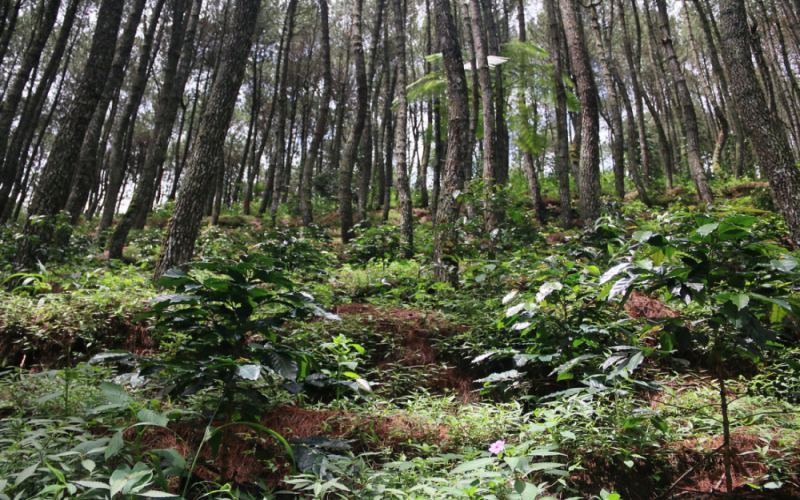
In Sumatra, Indonesia, wet-hulling is almost synonymous with Mandheling, yet Wahana Estate's natural process breaks this convention. This coffee uses the Rasuna variety—a hybrid of Catimor and native Sumatran Typica—planted in the Sidikalang region west of Lake Toba, at an altitude of 1,300 to 1,500 meters, grown slowly under full shade. In November 2013, we first encountered this batch of naturally processed beans, which presented aromas of peach, watermelon, and citrus, along with a creamy, cocoa-like mellow texture, accompanied by floral notes and strawberry sweetness. This article will comprehensively analyze the charm of this unique natural-process Mandheling, from the estate's background, variety characteristics, and processing method to its cupping performance, and include Front Street Coffee's reasons for recommending it. [more…]
A Complete Analysis of Mandheling Coffee Processing Methods: Comparing Indonesian Golden Mandheling and Natural Mandheling
Mandheling coffee is the most representative coffee category from Sumatra, Indonesia, and its unique wet-hulling process gives it a rich, herbal flavor profile. Golden Mandheling, as a trademarked product registered by PWN, presents a cleaner and more translucent quality after four rounds of hand sorting. In contrast, the sun-dried Mandheling from Wahana Estate, introduced by Front Street Coffee this year, is particularly rare due to local weather constraints, delivering a flavor experience of ripe fruit and fermentation. This article will provide a detailed explanation of the processing methods, roasting recommendations, and brewing parameters for these two types of Mandheling, helping coffee enthusiasts gain a comprehensive understanding of the charm of Indonesian Mandheling. [more…]
Mandheling Coffee Flavor Analysis: From Wet-Hulling Process to Espresso Extraction, A Full Interpretation of the Taste of Five Front Street Coffee Beans
Mandheling is the most iconic coffee from Sumatra, Indonesia, renowned for its rich, full-bodied character, low acidity, and sweet aftertaste. This article begins with the origin of the Mandheling name, then delves into how the wet-hulling process shapes its flavor, details the flavor differences and brewing performance of five Mandheling varieties—Front Street Lintong, PWN Gold, Tiger, Aged, and Wahana Natural—and answers the common question of "Is Mandheling bitter when made as espresso?" Whether you're a newcomer just discovering Mandheling or a seasoned connoisseur looking for a reliable everyday bean, you'll find a complete flavor map of this classic coffee here. [more…]
Exploring the Aroma of Starbucks Sumatra Coffee Beans: The Flavor Story of Mandheling, Acidity Characteristics, and a Review of Five Front Street Coffee Beans
Sumatra Mandheling is renowned for its full, rich body and intense herbal aroma, and has remained a favorite among seasoned enthusiasts since the rise of coffee culture. Starting from the bean list of Front Street Coffee, this article sorts through the origins, varieties, and processing methods of five Sumatran Mandheling coffees, covering PWN Golden Mandheling, Lintong Mandheling, Tiger Mandheling, Aged Mandheling, and Wahana Estate Natural Mandheling. The article details the origins and characteristics of the wet-hulling method, the evolution of the aging process, and includes Front Street's uniform brewing parameters along with flavor descriptions for each coffee, guiding you to a comprehensive understanding of Mandheling's rich charm and acidity characteristics. [more…]
A Review of the Four Classic Types of Mandheling Coffee: The Flavors and Origins of Lintong, Golden, Tiger, and Aged
Mandheling is the calling card of Indonesian coffee, yet behind it lie several distinct flavor paths. Among the daily staple bean series at Front Street Coffee, Lintong Mandheling wins over those who favor bold, intense flavors with its thick body and herbal notes. Many people have doubts about the positioning of "daily staple beans," wondering whether a low price means compromised quality. In fact, when Front Street selects daily staple beans, it chooses the most distinctive and representative beans from each producing region, offering them in 100g small packages so everyone can get to know the basic flavors of a region at low cost. This article will systematically sort through the origins, varieties, processing methods, and flavor characteristics of Lintong Mandheling, Golden Mandheling, Tiger Mandheling, Aged Mandheling, and Sun-Dried Mandheling, guiding you to understand how the wet-hulling process shapes Mandheling's unique character. [more…]
PWN Mandheling G1 vs. Golden Mandheling: A Full Analysis of Grading, Processing Methods, and Flavor Differences
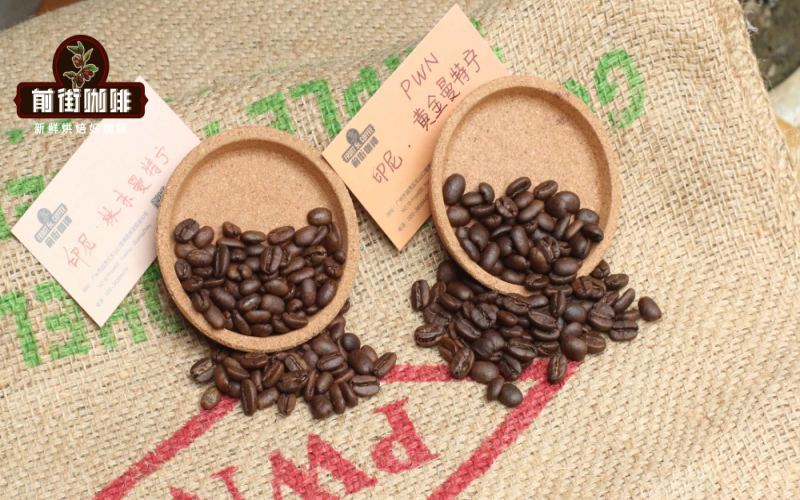
The name Mandheling originates from a beautiful misunderstanding during World War II, and today almost all of Indonesia's finest Mandheling comes from PWN (Pwani Coffee Company). G1 represents the highest grade of washed beans, with no more than 3 defective beans per 300 grams; Golden Mandheling, on the other hand, requires four rounds of hand sorting, with an annual output of less than 1 ton. This article systematically sorts out the unique characteristics of PWN Mandheling G1 and Golden Mandheling, from historical anecdotes, grade standards, and origin processing methods to cupping flavors, and compares the differences in Lintong Mandheling's performance in terms of fruit acidity, body, and herbal aroma, helping coffee enthusiasts understand the flavor codes and key purchasing points of these two top-grade Mandheling coffees, while also introducing the related product features of the Front Street Coffee brand. [more…]
Analysis of the Differences Between PWN Mandheling G1 and Golden Mandheling: A Detailed Explanation of the Authentic PWN Mandheling G1 Grade Standards
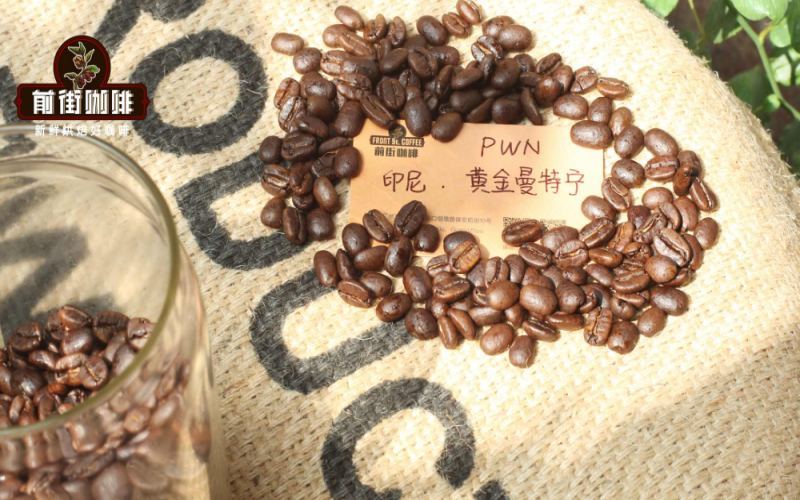
The name Mandheling coffee originates from an amusing misunderstanding, and today the Mandheling G1 produced by PWN, Indonesia's most renowned coffee purchaser, represents the pinnacle of Sumatran coffee. The G1 grade is custom-made exclusively for Japanese trading companies, with the number of defective beans strictly limited to no more than 3 points per 300 grams. However, PWN Mandheling G1 is not equivalent to Golden Mandheling—the latter requires four rounds of hand-sorting, and its annual output is extremely scarce. This article will systematically sort out the essential differences between PWN Mandheling G1 and Golden Mandheling, from historical origins, grade classification, and origin terroir to Front Street Coffee's actual recommendations, helping coffee enthusiasts clearly understand the positioning and flavor direction of these two beans. [more…]